

There is something magical about turning one beautiful houseplant into several. Propagation lets you grow your collection, fill out a favorite plant, or share a cutting with someone you love—and satin pothos is a wonderful plant to start with.
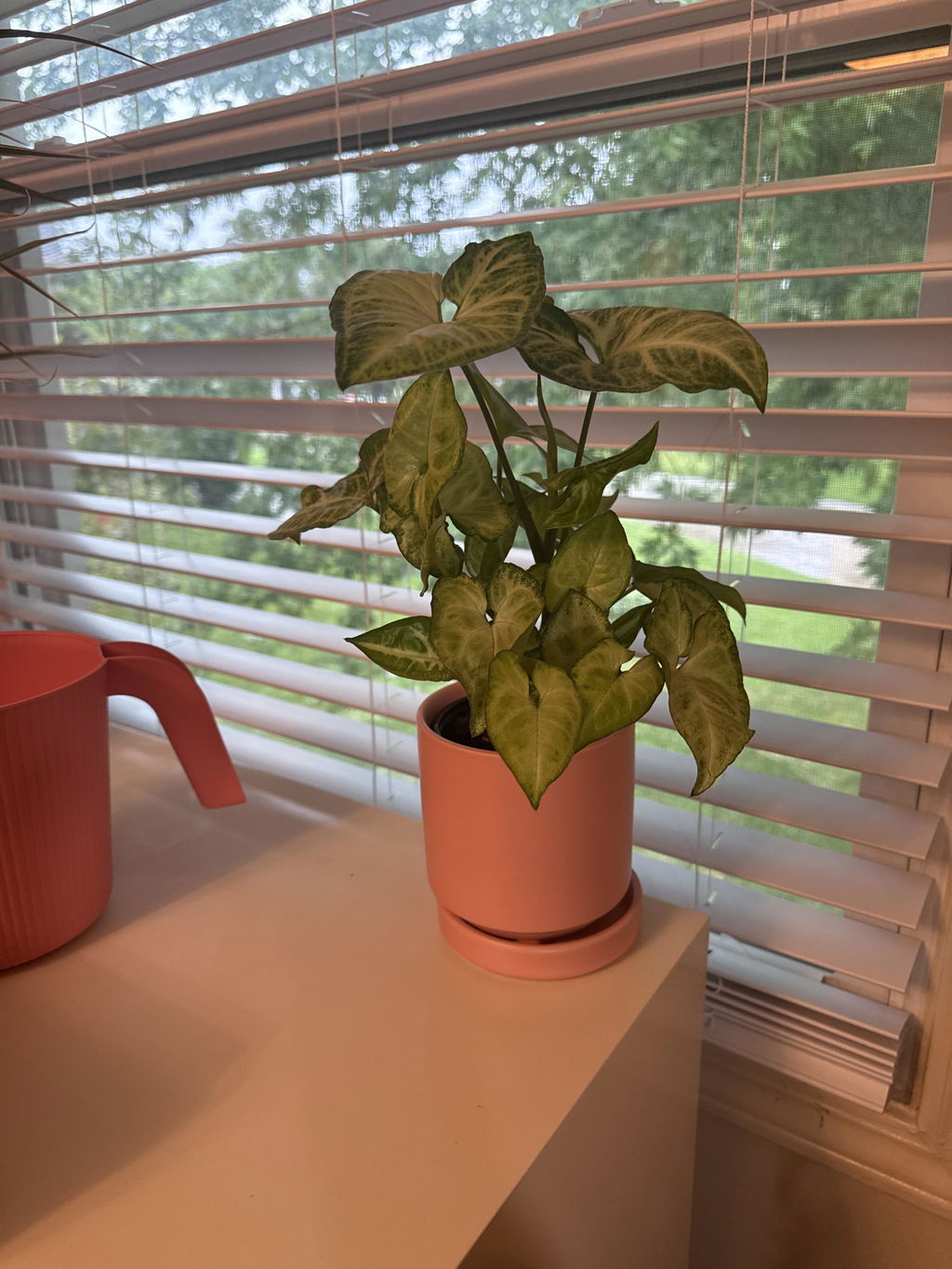
Known botanically as Scindapsus pictus, satin pothos has deep green, heart-shaped leaves brushed with shimmering silver. Despite its common name, it is not a true pothos, but its trailing growth and easygoing nature make it just as satisfying to propagate.
The secret to successful satin pothos propagation is simple: find the node. Once you know what to look for, the rest is easy.
What Is a Node?
A node is the small joint or bump along a plant's stem where a leaf, aerial root, or new growth can emerge. It is the part of the cutting that has the ability to produce roots.
Look closely at the vine where each leaf stem connects to the main stem. You may notice a slightly raised area or a small brown nub. That is the node.
A leaf without a node may stay green in water for a while, but it cannot grow into a new plant. Every cutting needs at least one healthy node.
Pro tip: No node = no new plant. Always check twice before cutting.
What You'll Need
- A healthy satin pothos plant — shop our Satin Pothos (Scindapsus pictus 'Argyraeus') or Silver Satin Pothos
- Clean, sharp pruning shears or scissors
- A small glass, jar, or any clean vessel you have on hand
- Fresh room-temperature water
- A bright spot with indirect light
Before cutting, clean your shears with rubbing alcohol or warm, soapy water. Clean tools help protect both the mother plant and the new cutting from bacteria.
How to Propagate Satin Pothos in Water
1. Choose a healthy vine
Select a vine with healthy leaves and several visible nodes. Avoid yellowing, damaged, or pest-affected growth. A strong parent vine gives your cutting the best start.
2. Cut just below a node
Make a clean cut about one-quarter to one-half inch below the node. Each cutting should include at least one node and one healthy leaf. A cutting with two nodes can provide an extra opportunity for root growth, but avoid placing too many leaves underwater.
If you are dividing a longer vine into several cuttings, pause before every cut and confirm that each section has a node.
3. Remove any leaf that would sit underwater
Gently remove the lowest leaf if it would be submerged. Leaves left below the waterline can rot and make the water cloudy. The node should be underwater, while the remaining leaf stays above the surface.
4. Place the cutting in water
Set the cutting in a clean glass or jar filled with room-temperature water. Make sure at least one node is fully submerged. Keep the leaves dry and above the rim.
Clear glass makes it easy to watch the roots develop—and that little bit of everyday plant magic is half the fun.
5. Give it bright, indirect light
Place the vessel near a bright window, but protect it from intense direct sun. Too much sun can heat the water or scorch the leaves. Satin pothos may root more slowly in low light, so a bright, filtered location is ideal.
6. Refresh the water regularly
Change the water about once a week, or sooner if it becomes cloudy. Rinse the vessel and refill it with fresh room-temperature water. Keep the node submerged as the water level drops.
7. Wait for roots to grow
Rooting time varies with light, warmth, season, and the health of the cutting. Small roots may appear within a few weeks, while some cuttings take longer. Patience is part of the process.
When several roots are about two to three inches long and beginning to branch, the cutting is generally ready to transition to soil.
Moving Your Cutting from Water to Soil
Choose a small pot with a drainage hole and fill it with an airy, well-draining houseplant mix — our Organic Potting Mix for Houseplants or Sustainable Potting Mix and Redwoods for Houseplants are both great options. Make a small opening, place the rooted node below the soil surface, and gently arrange the roots inside. Cover the roots without packing the soil too tightly.
Water thoroughly and let the excess drain. For the first couple of weeks, keep the soil slightly more evenly moist than you would for an established satin pothos. Once your cutting has settled in, an Instant Plant Food Fertilizer Tablet can give it a gentle nutrient boost as it adjusts to its new home. After the plant settles in, allow the top portion of the mix to dry between waterings.
Common Propagation Mistakes
- Cutting without a node: A node is required for new roots and growth. Check twice before cutting.
- Submerging the leaves: Keep leaves above the water to prevent rot.
- Using dirty tools or vessels: Clean tools and fresh water reduce the chance of bacterial problems.
- Giving the cutting harsh direct sun: Bright, indirect light supports rooting without stressing the leaves.
- Potting too early: A tiny new root is exciting, but a stronger root system will handle the transition to soil more successfully.
A Small Cutting, a Fresh Start
Propagation is a reminder that growth often begins with one small, intentional step. With a healthy vine, a visible node, clean tools, and a little patience, your satin pothos can become a whole new plant. If you want everything in one place, our Houseplant Plant Care Kit has you covered.
Need help identifying a node or choosing the right supplies? Visit The Botanical Bar at 1103 N College Ave in Indianapolis. Bring a photo of your plant, ask us your plant-care questions, and let's grow together.
Nature is therapy—and sometimes therapy looks like watching a brand-new root appear in a glass of water.




Comments (0)
There are no comments for this article. Be the first one to leave a message!